
Varosha before and after is the search that brings many people here: a once-busy Mediterranean beachfront sealed for decades, then partly reopened. This 2026 guide starts with then-versus-now — what changed, what visitors can actually see today, and how current access works on the marked routes.
Below you will find a calm then-vs-now snapshot, visitor basics for the open zones, and a soft look at everyday life nearby in Famagusta and İskele — without turning a sensitive place into a hard sales pitch.
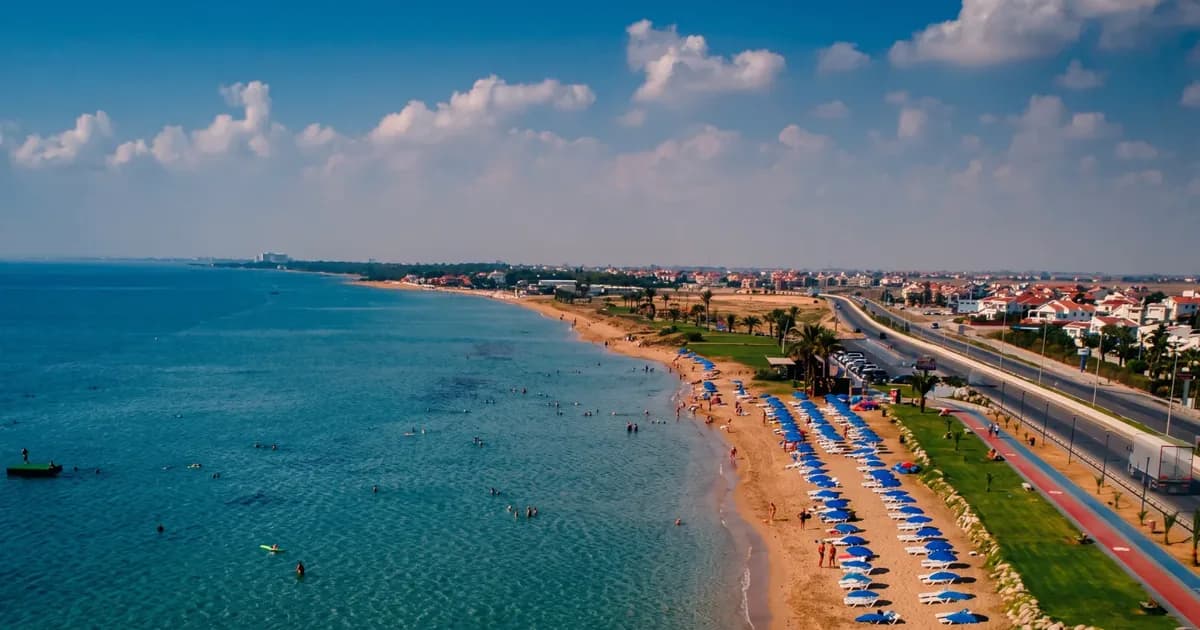
Since a partial reopening began in 2020, visitors can enter a designated section of Varosha (Maraş) via the official Famagusta entrance, follow marked routes on foot or by rented bike/scooter, and use reopened beach sections—while most of the district remains closed and off-limits.
What Is Varosha (Maraş) Famagusta?
Varosha (also known as Maraş) is the coastal strip beside Famagusta on the eastern shore of North Cyprus. Before 1974 it was a busy beach resort—hotels, cafés, and a lively seafront that drew visitors from across Europe. After the events of that year, the district was closed and left largely untouched for decades, which is why it became widely known as a “ghost town.”
Today, Varosha is usually talked about for three things:
- Its past as a major Mediterranean resort district
- Its paused appearance—empty hotels, quiet streets, faded shopfronts along the routes you can still see
- Its partial reopening from October 2020, which allows limited visitor access in controlled, designated zones only
It is not a conventional holiday resort experience, and it is not an urbex or “adventure” site. Treat it as a sensitive, restricted historic landscape: you walk or cycle only where marked, with clear boundaries for safety and preservation.
A Brief History Timeline
The milestones below are for visitor orientation only. This is not a political brief, and it does not make claims about recognition, ownership, or future settlement outcomes.
Key moments in Varosha’s story
| Year | What changed |
|---|---|
| 1960s–early 1970s | Varosha grows into one of Cyprus’s best-known beachfront destinations, with hotels, shops, and a busy coastal scene. |
| 1974 | The area is evacuated amid conflict and sealed off; everyday life stops abruptly. |
| 1974–2020 | The district remains closed to the public, shaping its long “frozen in time” reputation. |
| October 2020 onward | Partial reopening begins and has gradually expanded. Visitors may use designated routes and some beach sections; most of Varosha remains closed. |
| 2026 | Access is still controlled and zone-based. Check hours and current rules at the official entrance before you go. |
That long pause is why first-time visitors still find the place striking: from the open paths, the skyline and streetscape feel held in another era, even as nearby Famagusta life moves on.
Before vs After: A Tight Comparison
Few places show such a sharp contrast between a busy resort past and a quiet, restricted present.
| Aspect | Before 1974 | After 1974 (and today) |
|---|---|---|
| Atmosphere | Lively beach resort with hotels, cafés, and seasonal crowds | Quiet, controlled visitor zones; most of the district still closed and fenced |
| Buildings | Active hotels, shops, and homes along the coast | Abandoned structures visible from marked paths; entering buildings is not allowed |
| Access | Open coastal town | Partial access via the official Famagusta entrance and signed walk/bike routes only |
| Visitor role | Holidaymakers and locals using the seafront day to day | Daytime visitors on approved paths; guided tours are common |
On the ground, the contrast is immediate: reopened beach sections beside a skyline of empty hotels; fresh pathways beside streets that have been silent for decades—while large areas remain firmly off-limits.
Is Varosha Open in 2026? Visitor Rules
Parts of Varosha are open to visitors in 2026—not the whole district. Access is limited to controlled, designated zones. Think marked routes and reopened beach sections, not a free stroll through every street.
What is typically accessible
- Marked pedestrian routes through selected streets
- Bike and e-scooter use on the open routes (rentals are often available at the entrance—confirm on site)
- Accessible beach sections (not the entire Varosha shoreline)
- Viewing spots for façades and the coastal skyline from a safe distance
Rules that usually apply
- Stay on officially marked paths; large areas remain fenced and closed
- Do not enter abandoned buildings or take anything from the site
- No drones
- Photography of open streets is generally fine; do not photograph military, UN, or security facilities
- Daytime-only visits; seasonal hours apply—check hours at the entrance
- No overnighting
- Rules can change; follow staff and signage on the day
Entry to the tourist-open section is generally free. Private cars are typically not allowed inside—park near the entrance and continue on foot or by rented bike/scooter.
How to Visit: Entry, Walk, Bike, and Tours
Use the official Famagusta entrance to the designated visitor section—roughly 1.6 km southeast of Famagusta Old Town, near the Palm Beach area. This is the practical visitor gate; it is not “any gate,” and it is not a Deryneia pedestrian shortcut.
Practical ways to explore
- On foot — Follow the marked walking route past key façades, seaside streets, and viewing points. Comfortable shoes and water help; shade can be limited.
- By bicycle or e-scooter — Often available for rent at the entrance. Confirm availability on site; do not rely on fixed published prices.
- Beach sections — Reopened stretches of beach let you pause by the water with the hotel skyline in view. Atmospheric—and still within a controlled historic site, not a typical resort beach day.
- Guided tours — Useful for historical context, photo stops, and clearer safety guidance. Many tours also combine Varosha with Famagusta Old Town.
Move slowly. The value of the visit is in the quiet and the detail—faded signs, empty balconies, the sea against a paused skyline—within the routes you are allowed to use.
What You’ll See
Within the open sections, visitors commonly notice:
- Reopened beach sections — Clear coastal views with empty high-rises behind the sand
- Palm-lined and commercial streets — Former shopfronts and cafés along the marked routes
- Hotel façades — Hotels commonly pointed out along the route include Argo, King George, and Asterias (sometimes called Argolis). Exact buildings in view can vary by path; stay outside and on marked ground
- Quiet side streets — Where you sense how abruptly everyday life stopped
- Designated viewpoints — Safer angles looking toward areas that remain closed
What you will not get is unrestricted exploration—or permission to enter hotels. That boundary is part of visiting responsibly in 2026.
Living Near Famagusta and İskele
Many people who visit Varosha are also weighing a longer relationship with the east coast: weekends by the sea, a second home, or a quieter base within reach of Famagusta’s old town, harbourside cafés, and the wider İskele coastline.
Day-to-day life nearby feels different from a one-off historic visit. Famagusta offers culture, dining, and a compact urban rhythm; İskele and the surrounding coastal communities lean more residential—morning walks, local markets, and beaches that are still part of ordinary life rather than a sealed landmark.
At Dashad, we work with people who want that balance: a place that feels lived-in, well located, and connected to the region’s character—not a brochure fantasy. We do not treat Varosha itself as a development product. It is a place of memory and careful access. The lifestyle conversation sits next door, in communities where homes, services, and coastal living are part of the present.
If you are exploring the area with an eye to settling or investing carefully, focus on lifestyle fit first—how you would spend a typical week—rather than speculative promises. Prefer measured, projected thinking over anything framed as guaranteed. We make no claims about property return, ownership outcomes, or resettlement in Varosha.
A Clear Next Step
If Varosha has drawn you to Famagusta’s east coast and you want to understand what living nearby could look like, we are happy to help you explore calmly.
- Browse current Dashad projects: dashad.co/projects
- Reach the team via our contact page: dashad.co/contact-us
- Or message us on WhatsApp: +90 533 828 8028
Tell us whether you are visiting, relocating, or simply researching—and we will point you toward the information that fits, without pressure.