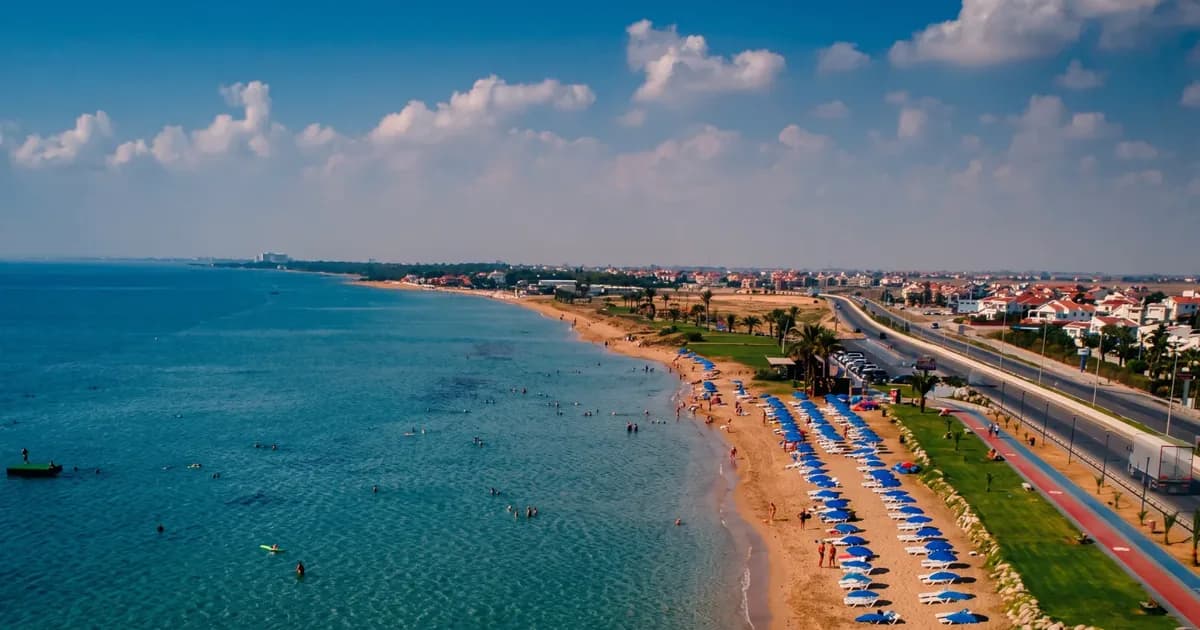


Buying a property in North Cyprus can be one of the most rewarding investments in the Mediterranean — affordable prices, strong rental yields, and steady market growth. But many new buyers overlook the hidden costs of buying property in North Cyprus, which can significantly impact your real budget. Beyond the sales price, there are taxes, title transfer fees, VAT, and legal charges that must be paid at different stages of the purchase process. In this 2025 guide, we’ll break down every cost step by step, so you can plan your investment with confidence, avoid surprises, and enjoy a transparent buying experience in this beautiful Mediterranean destination.
Why Understanding Hidden Costs Matters
Many foreign investors are attracted to North Cyprus because of its competitive property prices, modern developments, and low taxes compared to other Mediterranean destinations. However, the hidden costs of buying property in North Cyprus are often overlooked until the final stages of the transaction — when contracts are already signed, and payments are due. Understanding these additional expenses early in the process helps you make accurate financial decisions and avoid unexpected surprises later.
When you know exactly what taxes, fees, and legal payments are required, you can evaluate properties more effectively and negotiate better terms with developers or agents. These costs aren’t necessarily negative — in fact, most of them are standard legal and administrative fees that protect your ownership rights. But being aware of them gives you the power to plan your budget confidently and prevents delays in registration or title transfer.
- Stamp Duty: A mandatory government tax on the sales contract.
- Title Transfer Tax: Paid when the title deed (Koçan) is officially issued in your name.
- VAT (KDV): Applicable to new-build properties, usually 5% of the value.
- Legal Fees: Payment to your lawyer for due diligence, registration, and permits.
- Connection Fees: Charges for water, electricity, and site infrastructure setup.
Knowing these details from the beginning transforms your buying experience from uncertain to professional. You’ll not only avoid last-minute costs but also strengthen your confidence as a foreign investor navigating the North Cyprus property market.
Registering the Contract and the First 21 Days
The first legal step in purchasing property in North Cyprus begins immediately after signing the Sales Agreement with the developer or seller. To secure your ownership rights, the contract must be officially registered at the Land Registry Office (Tapu Dairesi) within 21 days of signing. This is not just a formality — it’s a crucial step that prevents the property from being resold to another buyer and guarantees your legal protection under North Cyprus property law.
During this period, buyers are also required to pay the Stamp Duty (Damga Pulu), which is one of the first and most important hidden costs of buying property in North Cyprus. The official rate is 0.5% of the property value stated in the contract, and it must be paid within the 21-day registration window. Failure to meet the deadline can result in a penalty that raises the total cost to 1.5% of the contract value.
Paying the Stamp Duty and registering the contract on time serve two purposes: they legally fix the agreed sale price in the eyes of the government and protect you from any future price or ownership disputes. Although the process might seem bureaucratic, it’s actually designed to make property transactions more transparent and secure — especially for foreign investors who may be unfamiliar with the local legal framework.
- Deadline: 21 calendar days from the date of contract signing.
- Payment Rate: 0.5% of the total contract price (1.5% if delayed).
- Authority: Tapu Dairesi (Land Registry Office) — the official government body handling registrations.
- Purpose: Legal proof of purchase and prevention of double-selling.
For serious investors, this step should never be skipped or delayed. It’s a relatively small payment compared to the total value of your investment but plays a vital role in securing your ownership rights and ensuring a smooth, legally compliant property transaction in North Cyprus.
Taxes and Title Transfer Fees
Beyond the initial registration stage, one of the largest hidden costs of buying property in North Cyprus is the Title Transfer Tax. Also known locally as Tapu Devir Harcı, this fee is paid to the Land Registry when the title deed (Koçan) is officially transferred to your name. It is a legal requirement for all property transactions and represents one of the final steps toward full ownership.
As of the latest 2024–2025 regulations, the Title Transfer Tax for foreign buyers is set at 9% of the declared property value. This tax is typically paid in two stages:
- 6% initial payment — usually due when registering the contract or at the early stages of the transfer process.
- 3% final payment — due when the title deed is issued in your name after receiving the Purchase Permit (PTP) from the Council of Ministers.
It’s important to note that if the contract is cancelled before the final title transfer, the first 6% payment is non-refundable. This policy was introduced to increase market transparency and ensure that all transactions are officially documented.
In addition to the Title Transfer Tax, buyers of new-build properties are also subject to a 5% Value Added Tax (KDV). This VAT applies only to brand-new or under-construction properties and is collected by the developer at handover. Resale (second-hand) properties, on the other hand, are generally exempt from VAT.
When comparing with other Mediterranean markets, North Cyprus remains very competitive. For instance, VAT on property purchases in South Cyprus or Spain can reach up to 19%, while annual property taxes are significantly higher. This makes North Cyprus one of the most tax-efficient destinations for international real estate investors.
- Title Transfer Tax: 9% (split into 6% + 3%)
- VAT (KDV): 5% on new developments
- Stamp Duty: 0.5% (already paid at registration)
- Refund Policy: Initial 6% non-refundable if purchase is cancelled
Understanding these costs in advance helps buyers avoid financial surprises and plan their budget more accurately. Although the percentages may seem high, they are part of a transparent taxation framework designed to protect both buyers and developers while maintaining a healthy, regulated property market in North Cyprus.
Service, Infrastructure, and Legal Fees
Beyond government taxes, buyers should also account for service and infrastructure fees — another category of hidden costs when buying property in North Cyprus. These are payments made directly to the developer or construction company to cover essential connections like water, electricity, and sewage systems. They ensure your property is ready for occupation and fully linked to municipal services.
The total amount depends on the project size and infrastructure complexity, but generally ranges between £1,500 and £3,500. In most cases, this payment is collected near handover or just before you receive your keys. While it’s not an official government tax, it’s a practical cost that every buyer must include in their financial plan — especially for new developments.
Legal Fees and Professional Services
Working with an independent property lawyer in North Cyprus is strongly recommended — and, in practice, essential. Your lawyer’s job is to perform all due diligence on the property, verify ownership history, register your contract at the Tapu Dairesi, and obtain the Purchase Permit (PTP) from the Council of Ministers. These steps protect you legally and ensure the property has no debts, encumbrances, or disputes.
Legal fees typically range from £1,000 to £2,000, depending on the complexity of the purchase and the level of service. Many reputable law firms in North Cyprus offer fixed-fee packages covering contract review, registration, and the permit application process. Although this is a smaller cost compared to the property value, it’s one of the most important safeguards in the entire transaction.
Annual Property and Maintenance Charges
Once your property is delivered, you’ll also pay small annual taxes and maintenance fees to the local municipality or site management. The annual property tax is calculated per square meter — typically around 2–3 Turkish Lira per m² — which is much lower than most European destinations. In addition, residential complexes often charge maintenance fees to cover landscaping, security, and communal facilities.
While these amounts are relatively minor, they represent the ongoing financial responsibility of property ownership. Factoring them into your annual budget helps you maintain your property properly and avoid unexpected costs later on.
How to Reduce the Impact of Hidden Costs
Understanding the hidden costs of buying property in North Cyprus is only the first step — the next is learning how to reduce them. Smart investors know that many of these expenses can be minimized or better managed through careful planning, legal guidance, and choosing the right developer.
Work with Transparent and Reputable Developers
The easiest way to control extra expenses is to work only with reputable developers and real estate agencies that provide a full cost breakdown before you sign anything. Reliable companies in North Cyprus — such as Dashad — clearly outline every required payment, from stamp duty and title transfer tax to infrastructure and legal fees. This level of transparency not only protects your budget but also builds long-term trust between buyer and seller.
Compare Total Cost, Not Just the Sale Price
When evaluating properties, look beyond the headline sales price. The smartest approach is to compare the total acquisition cost, including taxes, connection fees, legal services, and potential maintenance charges. While some developments may appear cheaper at first, once you include all hidden costs, the final figure can vary considerably. Performing a full cost analysis helps you make an accurate financial comparison between projects in Kyrenia, Iskele, and Famagusta — three of the most active real estate regions in North Cyprus.
Leverage Legal Expertise and Government Permits
One of the key steps in finalizing ownership is obtaining the Purchase Permit (PTP) from the Council of Ministers. Although this process can take 18–24 months, it guarantees that your property is legally approved for transfer and free from any restrictions. By working with an experienced local lawyer who monitors the PTP progress, you can avoid unnecessary delays and unexpected government charges.
Ultimately, reducing hidden costs is about preparation, transparency, and professional support. With the right team — a reliable developer, a qualified lawyer, and a clear understanding of local taxes — you can turn your North Cyprus property purchase into a smooth and profitable investment.
Conclusion: Transparency Protects Your Investment
Buying property in North Cyprus remains one of the most attractive opportunities in the Mediterranean — combining affordable prices, rental potential, and long-term capital growth. But to make the most of it, every buyer should look beyond the sales brochure and understand the hidden costs of buying property in North Cyprus. These include stamp duty, title transfer tax, VAT, legal services, and infrastructure connections — all essential for completing a secure and legal transaction.
The good news is that these costs are fully transparent and legally regulated by the government. With proper planning and professional guidance, you can easily manage them and maintain financial clarity throughout your purchase. Working with trusted developers such as Dashad and experienced local lawyers ensures that every step — from signing the contract to receiving your title deed (Koçan) — is handled accurately and fairly.
In real estate, clarity is power. Understanding the real numbers behind your investment protects your capital, reduces risk, and gives you the peace of mind that your North Cyprus property purchase is not just beautiful — but financially sound.